



If your home has rooms that are too hot in summer, too cold in winter, or seem stuffy despite the HVAC system running, you’re likely dealing with poor airflow. Adequate airflow is essential for comfort, indoor air quality, and system efficiency. When air can’t circulate properly, your HVAC equipment works harder, utility bills rise, and occupants feel uncomfortable. Let’s explore the most common reasons airflow suffers and what you can do about it.
Dirty Filters and Neglected Maintenance

The simplest and most common culprit is a dirty air filter. As dust, pet hair, and pollen accumulate, the filter becomes clogged and restricts airflow. This creates more static pressure in the system, making it difficult for conditioned air to reach every room. Replace or clean your filters regularly—every 30–90 days depending on usage and whether you have pets or allergies. Neglected maintenance can lead to dirty coils, blocked condensate drains, and failing blower motors, all of which diminish airflow. Scheduling routine maintenance keeps components clean and helps your system perform at its best.
Blocked or Closed Vents and Registers
Sometimes airflow issues arise simply because supply registers or return vents are blocked. Furniture, curtains, and even dust buildup can impede airflow. In an attempt to save energy, some homeowners close vents in unused rooms, but this can backfire. Closing vents increases pressure in the ducts, causing leaks at joints and making the system work harder. Keep vents open and clear to maintain balanced airflow. If you want to reduce heating or cooling in a particular room, talk to a professional about installing a zoning system or dampers.
Leaky, Dirty, or Undersized Ductwork
Air travels from your HVAC equipment to your rooms via ductwork, which needs to be properly sized, sealed, and clean to function efficiently. Holes, disconnected sections, or deteriorating duct insulation allow conditioned air to escape into attics, basements, or crawl spaces. Dust and debris inside ducts can build up and restrict air passage. Additionally, many older homes have ductwork designed for smaller or less efficient systems; when a more powerful unit is installed, the ducts can’t handle the increased airflow. In such cases, airflow at the vents is weak despite the equipment running. A professional duct inspection can reveal these issues and determine if cleaning, sealing, or resizing is necessary.
Oversized or Undersized HVAC Equipment
Just as with poor duct sizing, incorrect equipment sizing affects airflow. An oversized system cycles on and off rapidly, never establishing steady airflow and humidity control. An undersized system runs continuously but can’t push enough air through the ducts to reach desired temperatures. Proper load calculations ensure that equipment and ductwork match your home’s requirements. If you recently replaced your HVAC unit and now experience airflow issues, it may be a sizing mismatch that needs correction.
Obstructed Return Air Paths and Closed Doors
Supply registers deliver conditioned air, but return air vents pull air back to the HVAC system. If return vents are blocked by furniture, rugs, or clutter, the system can’t draw enough air to distribute evenly. Closing interior doors also restricts return pathways; air delivered to a closed room has nowhere to go, reducing airflow to other rooms. Keep interior doors slightly ajar or install pass‑through grilles to facilitate circulation.
Furniture Placement and Blockages
Large pieces of furniture placed directly in front of vents or over return grilles block airflow. Take a walk around your home and reposition sofas, bookcases, and area rugs away from registers. Ensure that nothing is stored in front of return air grilles. Even curtains can impede airflow if they hang over vents; use vent deflectors to direct air away from curtains.
Airtight Homes and Lack of Ventilation
Modern construction emphasizes energy efficiency and airtight sealing. While this reduces drafts and lowers heating and cooling costs, it also reduces natural ventilation. Without fresh air entering, indoor pollutants accumulate, and humidity levels can rise. Installing trickle vents in windows, using exhaust fans in bathrooms and kitchens, and considering a mechanical ventilation system can improve airflow and air quality.
Moisture and Climate Factors
In humid regions like ours, condensation can form in ductwork if temperature differences are extreme or if insulation is lacking. Moisture encourages mold growth, which can restrict airflow and create musty odors. High humidity also increases the risk of duct leaks due to material expansion and contraction. Regular inspections and proper insulation help prevent these issues.
DIY Steps to Improve Airflow
Start by changing your air filters and cleaning supply and return vents. Open all registers and interior doors to balance airflow. Move furniture away from vents and avoid covering returns with rugs. Use ceiling fans to enhance circulation; switch them to rotate counterclockwise in summer and clockwise on low speed in winter. If your home still feels unevenly conditioned, take note of which rooms have the worst airflow and mention this to your HVAC technician.
When to Call a Professional
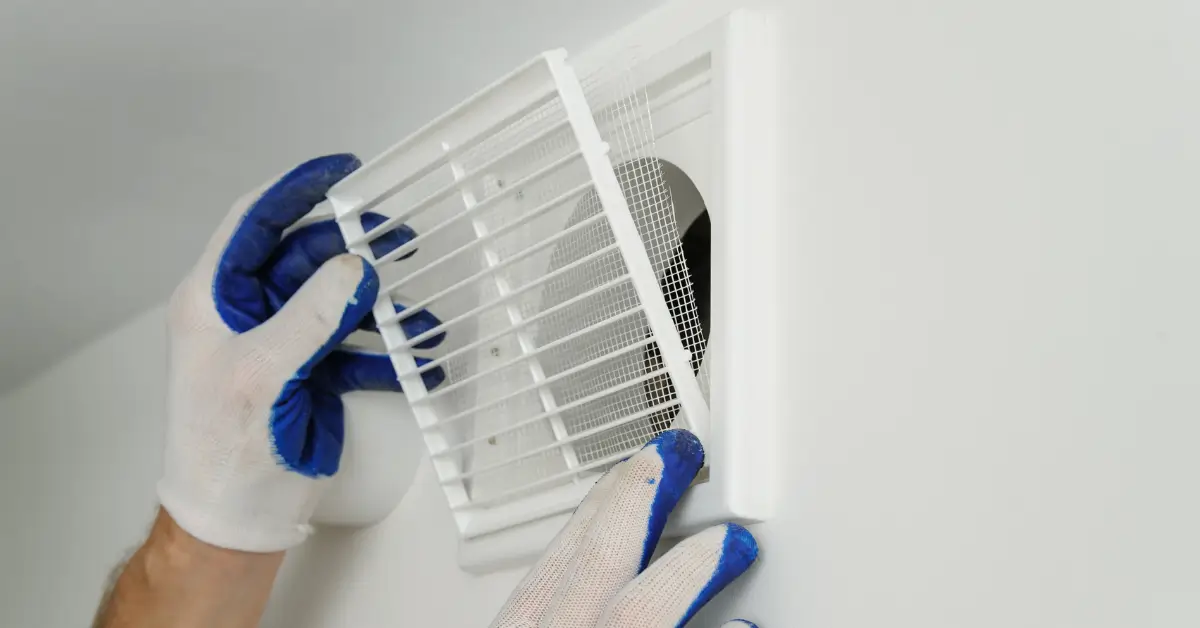
If DIY measures don’t solve the problem, it’s time to involve a professional. HVAC technicians can measure static pressure in the ductwork, inspect for leaks or blockages, and recommend duct cleaning or sealing. They may suggest resizing ducts or adding supply and return vents. In some cases, installing a zoning system with motorized dampers can solve airflow issues by directing more air to certain areas. A professional can also confirm whether your equipment is the right size and diagnose any mechanical issues with the blower motor or fan.
Conclusion
Poor airflow has many causes, from something as simple as a dirty filter to more complex duct or equipment issues. Good airflow is crucial for comfort, energy efficiency, and indoor air quality. By taking simple steps to maintain your system and consulting with professionals when necessary, you can restore balanced airflow in your home. The experts at First Response HVAC are ready to identify the root cause of your airflow problems and provide lasting solutions.