



A programmable thermostat might be one of the most overlooked energy‑saving tools in your home. By automatically adjusting the temperature to align with your daily routine, these devices help you use less energy without sacrificing comfort. In a climate like West Virginia’s, where heating and cooling demands change significantly from season to season—and sometimes from morning to afternoon—being able to schedule setpoints can reduce utility costs and extend the life of your HVAC system.
What Is a Programmable Thermostat?
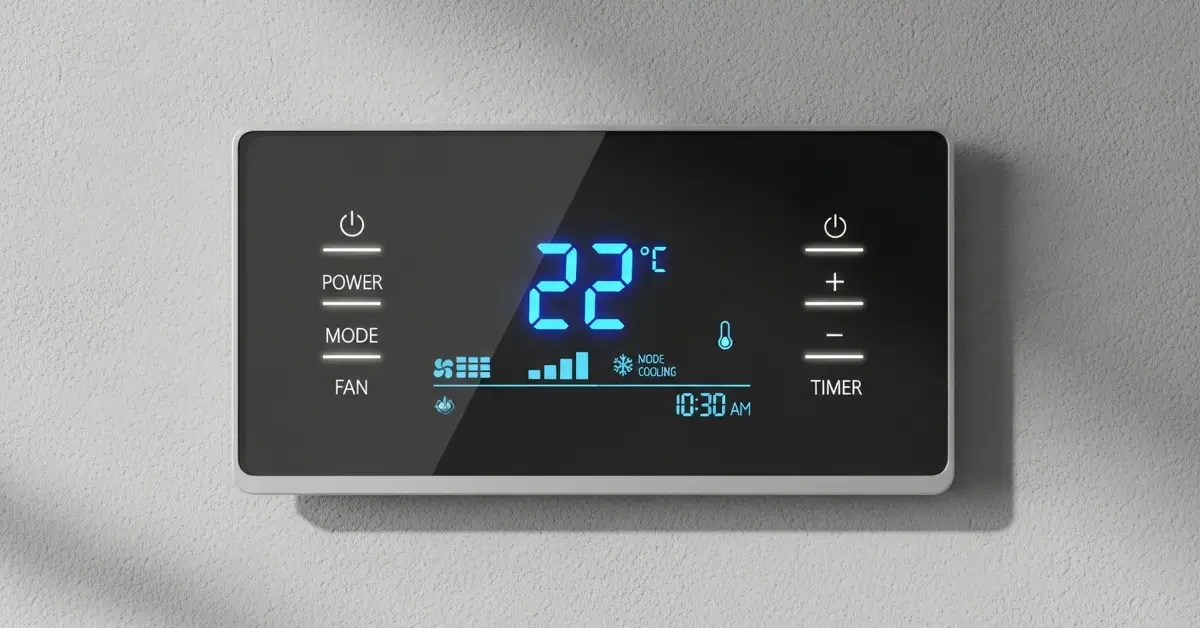
Programmable thermostats allow you to set different temperatures for different times of day and days of the week. For instance, you can program the thermostat to lower the temperature while you’re at work or sleeping and raise it just before you wake up or return home. Basic models might have four programmable periods per day (morning, day, evening, night). More advanced units offer 7‑day programming, vacation modes, and Wi‑Fi connectivity. Smart thermostats take things further by learning your habits, adjusting automatically based on occupancy sensors, and providing energy‑use reports. While smart models offer convenience and additional savings, even a simple programmable thermostat can significantly cut energy costs.
Energy Savings and Cost Benefits
According to the U.S. Department of Energy, homeowners can save up to 10% a year on heating and cooling by turning their thermostat back 7–10°F for eight hours a day. In practice, this might mean setting your thermostat to 68°F when you’re at home in winter and lowering it to 60°F when you’re asleep or away. In summer, set it at 78°F when you’re home and raise it to 85°F when you’re away. In West Virginia, where winter nights can drop below freezing and summer days can climb into the 90s with high humidity, these setpoints provide comfort while minimizing energy use. Remember that a programmable thermostat adjusts the temperature gradually, so by the time you get home the house is already approaching your preferred temperature.
The savings from these settings add up. For example, if your average monthly heating bill is $150, saving 10% equates to $15 per month or $180 per year. In summer, if your cooling bill averages $100 per month, you could save $120 per year. Over several years, the savings can pay for the thermostat many times over. Additionally, reducing run time decreases wear on HVAC components, potentially extending their lifespan and lowering maintenance costs.
Comfort and Convenience
A programmable thermostat doesn’t just save money—it makes your home more comfortable. By setting the temperature to warm up or cool down before you wake up or arrive home, you avoid the discomfort of walking into a chilly house on a January morning or a sweltering one on a July afternoon. Wi‑Fi‑enabled models let you adjust settings from your smartphone, which is useful if your schedule changes unexpectedly. Some smart thermostats use geofencing to track your phone’s location and automatically switch to an energy‑saving mode when you leave and restore comfort when you’re on your way back. Others provide monthly energy reports and suggestions for further savings.
Compatibility and Installation
Most modern HVAC systems—whether gas furnaces, heat pumps, or mini‑splits—are compatible with programmable thermostats, but it’s important to check the number of stages and whether your system requires a common (C) wire for power. Many thermostats come with adapters for systems lacking a C‑wire. If you have a multi‑stage heat pump or variable‑speed system, look for a thermostat designed to work with those features to maintain efficiency. DIY installation is possible if you’re comfortable working with low‑voltage wiring: turn off power at the breaker, label the existing wires, and follow the manufacturer’s wiring diagram. However, if your wiring is complicated or you’re upgrading to a smart thermostat with advanced features, hiring a professional ensures everything is set up correctly and safely.

Choosing the Right Thermostat
When selecting a thermostat, consider your schedule, desired features, and budget. Basic programmable thermostats typically cost between $30 and $80 and provide simple scheduling. Mid‑range models with touchscreens and Wi‑Fi connectivity range from $100 to $200. High‑end smart thermostats from brands like Nest and Ecobee cost $200–$300 and offer learning algorithms, occupancy sensing, and integration with other smart devices. Make sure to choose a model that supports your HVAC system’s stages and fuel type. If you plan to upgrade your system in the future, selecting a thermostat with more advanced features may provide better long‑term value.
Conclusion
Installing a programmable thermostat is an easy way to save money and enhance comfort, especially in a climate with as much variability as West Virginia’s. With proper programming, you can reduce heating and cooling costs by up to 10% or more and enjoy a home that’s always at the right temperature when you need it. If you have questions about compatibility or want help selecting and installing the right thermostat, the team at First Response HVAC is here to help. We’ll ensure your new thermostat integrates seamlessly with your existing equipment and show you how to program it for maximum savings.